An old timber frame doesn’t need replacing. It needs someone who can read it — where it has moved, where it has rotted, where a past repair has done more harm than good — and who can cut and fit new oak that works with it rather than against it.
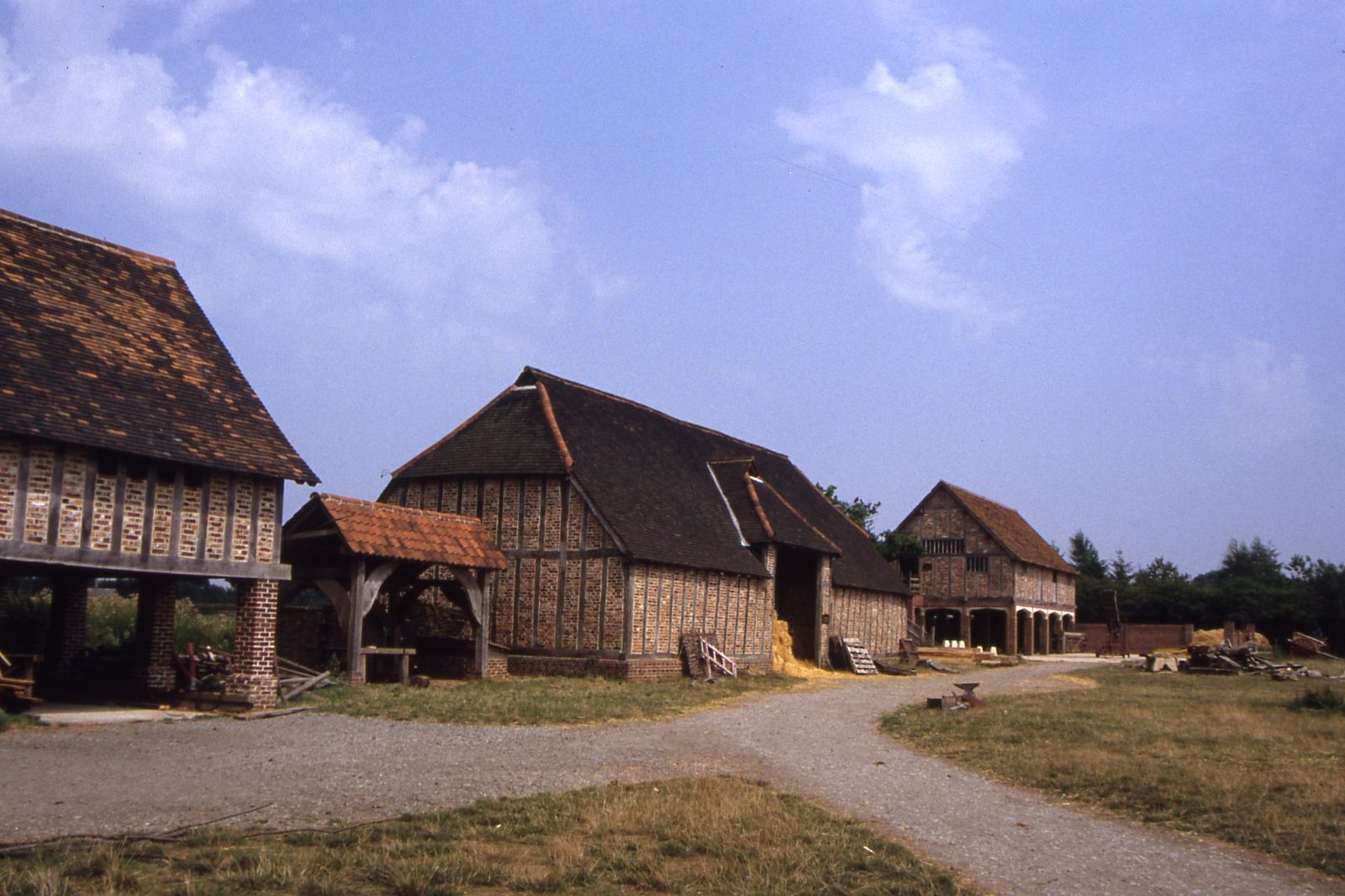
A timber frame is the building. Replace more of it than you need to and you have thrown away the thing that made the house worth keeping — its age, its irregularity, the marks of the people who built it. Our first job on any frame is to work out how little needs to come out.
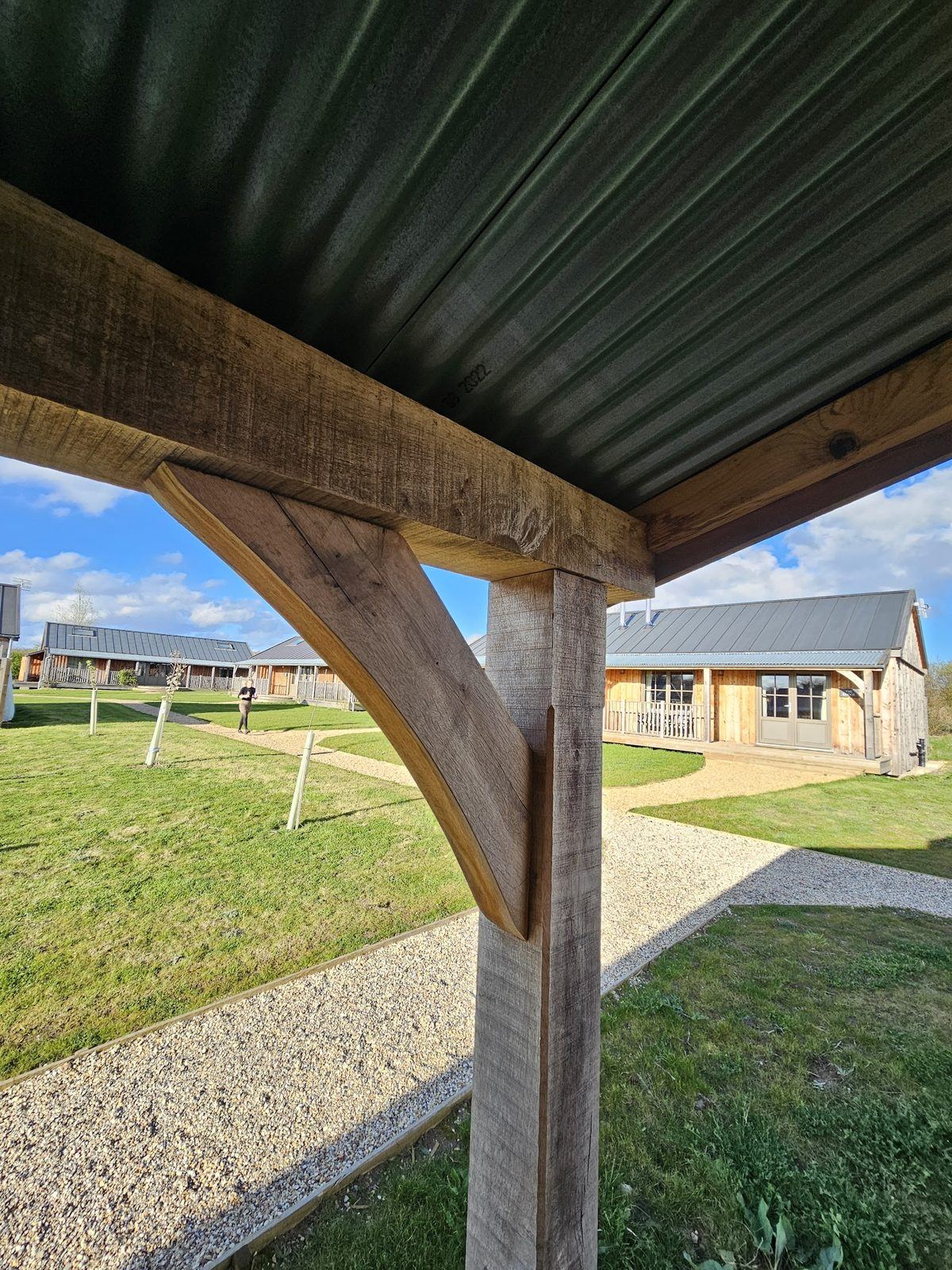
Where new timber is needed we use green oak, cut and jointed the way the original was, so the repair moves and weathers with the rest of the frame instead of fighting it. Scarf joints and pegged mortice and tenon — no steel where oak will do.
Oak moves for decades after it is cut, and a frame that has stood for four hundred years has found its own equilibrium. Work that ignores that — steel plates, cement fillets, kiln-dried timber bolted to green — simply creates the next generation of problems.
We work with how the building behaves rather than against it. And we would rather tell you a frame is sound than find work in it.
It is the same approach that runs through everything we do, including our Grade II listed restoration at Wickham Skeith.
A free Heritage Health Check gives you a specialist’s written read on your home’s timber — what is sound, what is worth watching and what needs attention. No obligation.